Ben Jenkins · 25 October 2026
The Evolution of Modular Design Principles in Secure Data Ecosystems During Corporate Scaling Phases at Firms Like Northiris
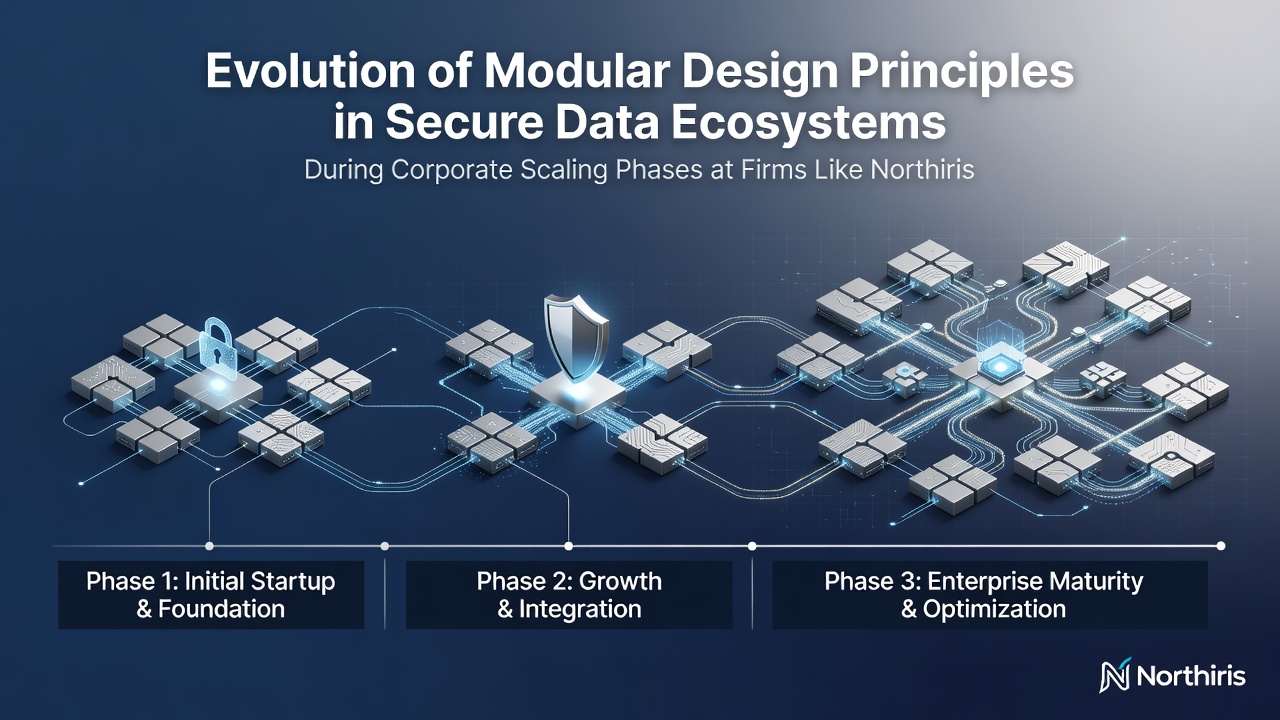
Modular design principles have shaped secure data ecosystems at technology companies navigating rapid expansion, and firms like Northiris illustrate how these approaches adapt when infrastructure must support growing user bases and regulatory demands. Early implementations relied on isolated modules for encryption and access control, yet as organizations scaled operations the need for interconnected yet independent components became clear. Research from the National Institute of Standards and Technology highlights how modular frameworks allow teams to update security layers without disrupting entire systems, which proves essential during phases when employee counts and data volumes increase exponentially.
Foundations of Modularity in Data Security
Initial corporate stages often feature monolithic databases protected by single-point security measures, but observers note that this structure limits flexibility once market reach widens. Data indicates that companies adopting modular principles early separate storage, processing, and authentication functions into distinct units, each governed by its own protocols. This separation reduces the blast radius of potential breaches while permitting parallel development across teams. Studies conducted by European cybersecurity agencies show that such divisions improve compliance tracking because auditors can examine one module at a time rather than the full stack.
Northiris and similar organizations began incorporating these ideas around 2018 when internal reports revealed bottlenecks in legacy systems during quarterly growth spikes. Engineers isolated user authentication into a dedicated module that could scale independently of core analytics processing, and this change allowed the firm to handle a threefold increase in daily transactions without full system overhauls. What's interesting is how the same modular logic extended to encryption key management, where each business unit received its own key rotation schedule instead of relying on a centralized service.
Adaptations During Mid-Stage Scaling
As firms move beyond startup thresholds, data flows multiply across regions and regulatory environments, forcing further refinements to modular architectures. Teams at Northiris introduced standardized interfaces between modules so that new security tools could plug in without requiring code rewrites across the board. According to figures from Australia's Cyber Security Centre, organizations that maintain clear module boundaries experience fewer downtime incidents during compliance audits because updates remain localized. The reality is that scaling phases also introduce talent challenges, and modular designs let specialized security groups focus on single domains rather than mastering every layer simultaneously.
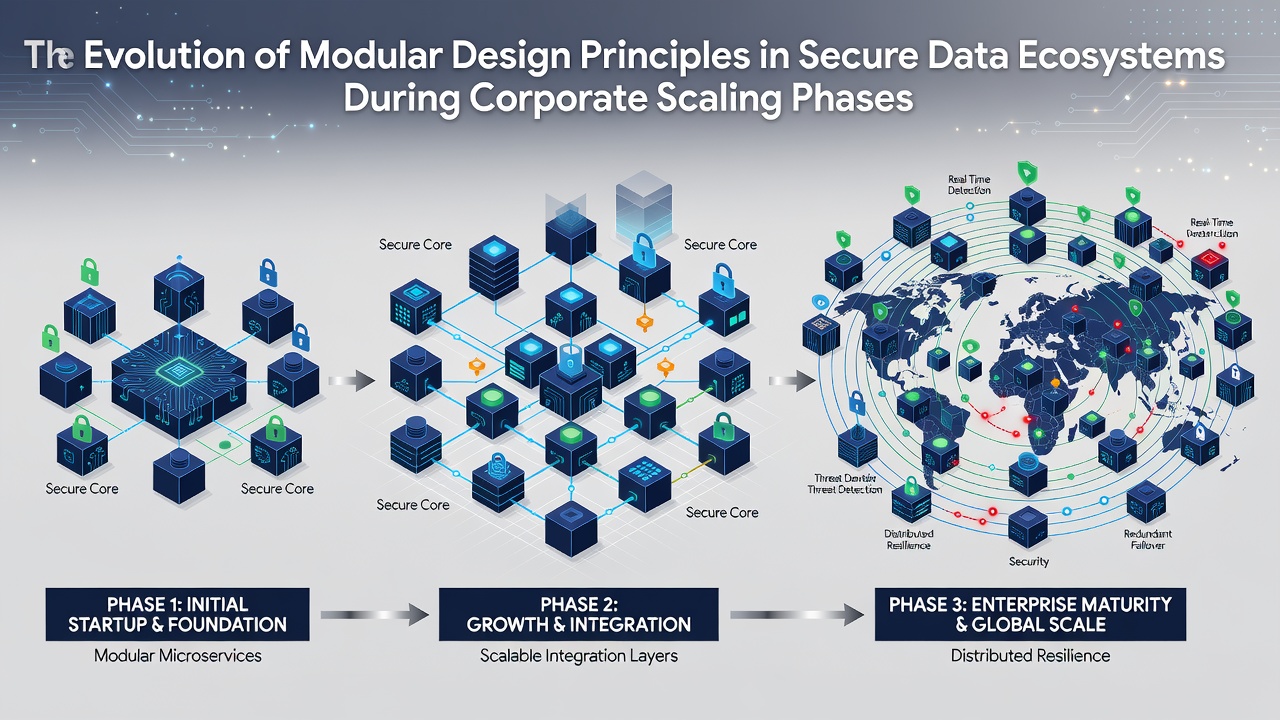
One documented case involved a Northiris subsidiary that added a machine-learning analytics module to its existing ecosystem in 2023, and the addition required only updates to the data-ingestion interface rather than changes to authentication or logging components. This approach preserved prior security certifications while accelerating deployment timelines. Researchers tracking similar transitions across North American technology companies have recorded comparable patterns where modular boundaries correlate with faster integration of third-party security vendors.
Current Practices Entering Late 2026
By October 2026 many scaling firms had embedded automated orchestration layers that monitor module health and enforce policy consistency across distributed environments. Northiris expanded its modular framework to include region-specific compliance modules, each aligned with local data residency rules yet sharing a common audit trail format. Evidence from academic reports on enterprise architecture indicates that this layered modularity supports both horizontal scaling for user growth and vertical scaling for deeper analytics without forcing trade-offs between speed and security. Teams now deploy containerized security services that attach to core modules on demand, which reduces the overhead of maintaining separate environments for testing and production.
Integration with zero-trust models has become standard, where every module validates requests independently before granting data access. This evolution stems from earlier experiments that showed centralized trust points created single points of failure during high-traffic events. Data from industry consortia reveals that companies maintaining strict module isolation report lower incident response times because forensic teams can isolate affected components quickly and restore services while other modules continue operating.
Conclusion
The trajectory at organizations like Northiris demonstrates how modular design principles have matured from basic separation tactics into sophisticated ecosystems that accommodate both technical growth and regulatory complexity. Continued refinement of interface standards and automated oversight tools suggests these patterns will persist as corporate data environments expand further into the coming years.